


THE EXHIBITION
Life in Space is the EXHIBITION that has been and still is thrilling the world audience and that in four years has seen four million visitors coming,
from Athens to Tenerife, from Johannesburg to Warsaw and Istanbul.
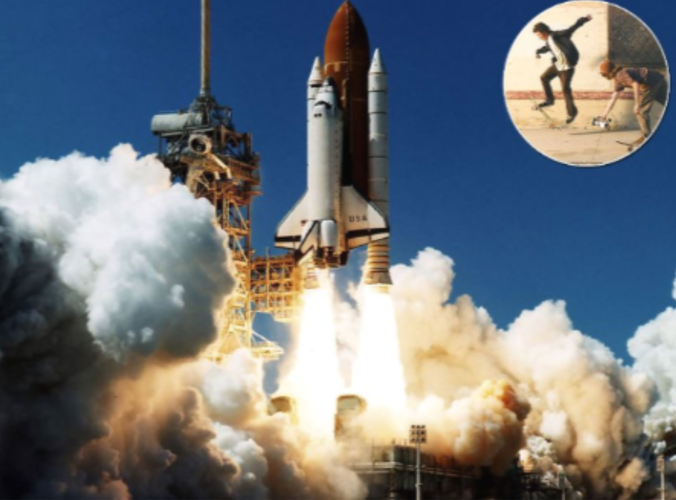
The space and its wonders told through the looks and objects and simulators of US Space & Rocket Center, ASI, ESA.
Over original memorabilia, spaceships, satellites, rockets, and scale models mark the path in the footsteps of astronauts, technicians and scientists.
Life in Space also offers the experience of 500 square meters of pure physical and mental interactivity, the Space Camp, where visitors can experience the same sensations astronauts and cosmonauts experience during training: from the absence of gravity to the loss of the 'spatial orientation,
or to engage in landing with the Space Shuttle simulator upon returning from a mission.
Since last year a new ISS VR Platform is been developed and ready to bring visitors inside the ISS.
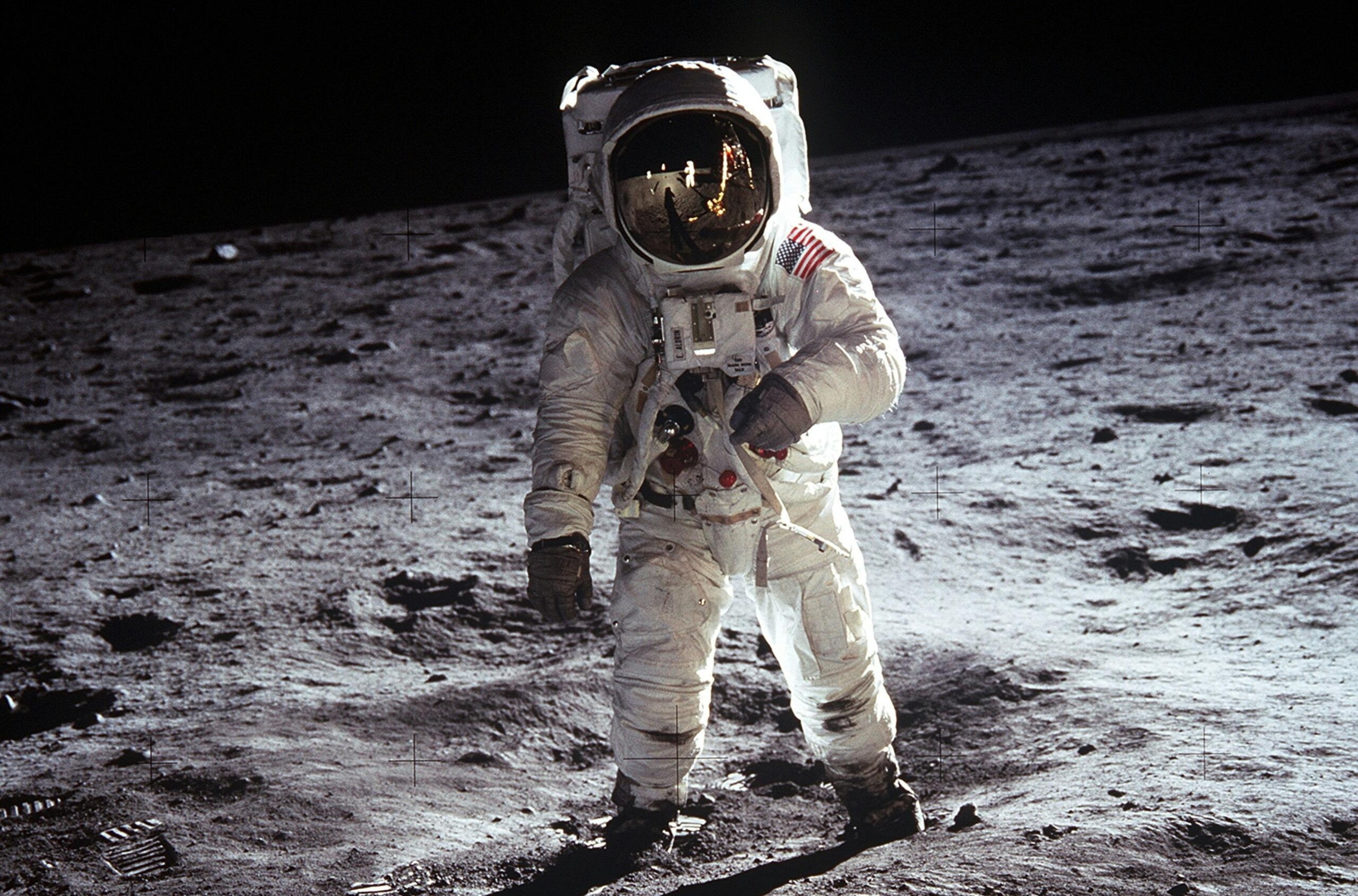
“…We choose to go to the Moon within this decade and do even more things, not because these are easy challenges, but because they are difficult…”
This is the sentence pronounced by John F. Kennedy in his famous speech at Rice University on September 12, 1961.
The Soviet Union had launched its challenge in the cosmos to the United States as early as 1957, putting the first artificial satellite, Sputnik, into orbit, followed by Laika and then the first man in space, Yuri Gagarin.
Another key passage of that same discourse, which placed at its center not competition but the extraordinary potential of cooperation, is less well known: “…space has not yet seen any contention, any prejudice, no national conflict. Its dangers make it hostile to everyone. Its conquest deserves the best of all humanity, and this opportunity for peaceful cooperation may never come again…”.
Thus began the adventure of humankind in space that would crown a centuries-old dream.
This, though not only this, is the spirit of the enterprise that allowed the United States, in July 1969, to send men to the Moon and, in July 1975, to dock a Soviet Soyuz capsule and an Apollo program spacecraft in orbit, engaging in an embrace of great symbolic power.
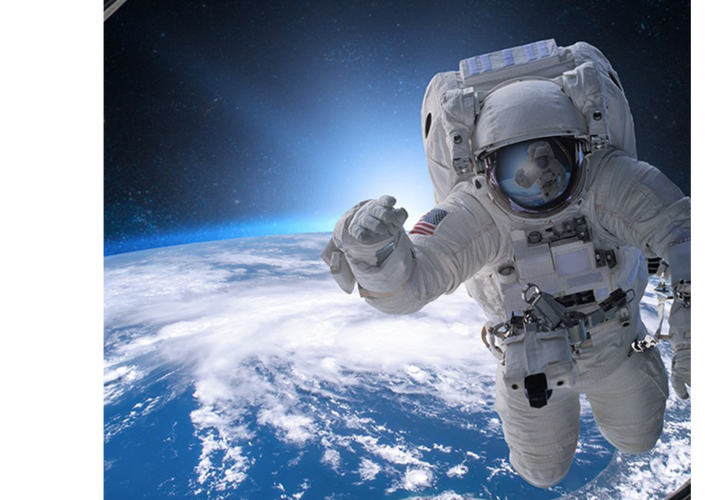
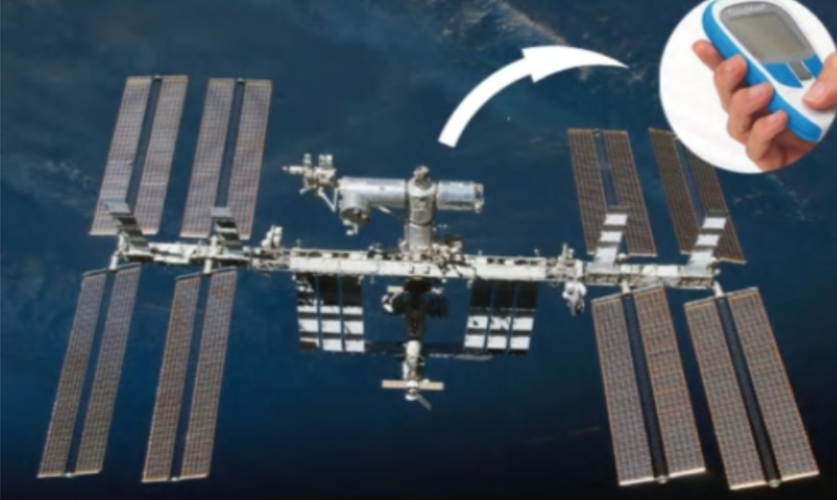
The outcomes of these new forms of collaboration continue to amaze us, and the International Space Station represents perhaps one of the highest degrees of complexity and technological and scientific integration ever achieved, involving many nations, including Italy.